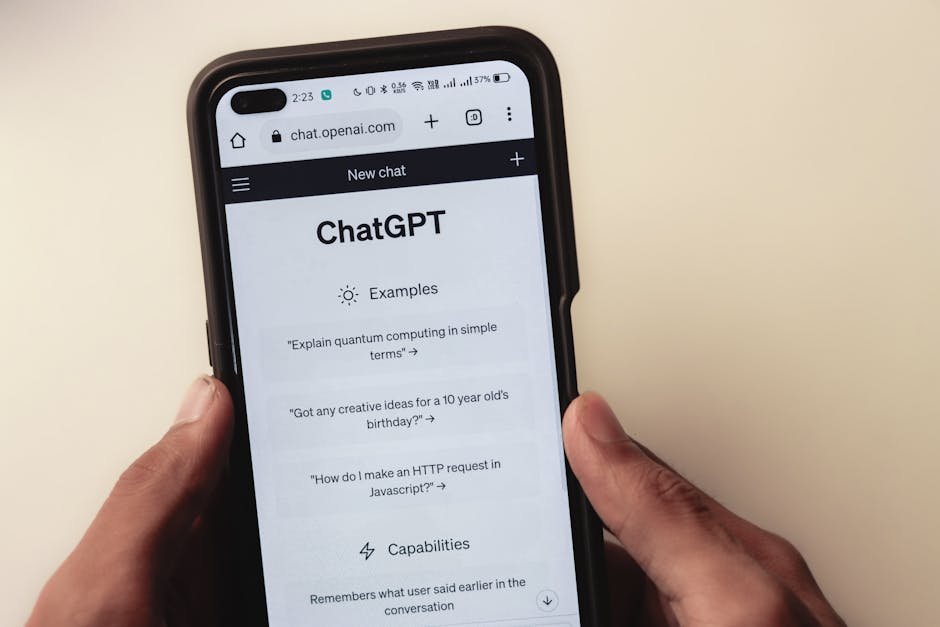
Understanding the AI Content Creation Landscape
AI content creation tools are rapidly evolving, transforming how we approach content generation. They range from simple grammar checkers to sophisticated platforms capable of producing comprehensive articles, blog posts, and even marketing copy. Understanding the capabilities and limitations of these tools is crucial for effective utilization.
Types of AI Content Creation Tools:
- Text Generators: These tools utilize natural language processing (NLP) and machine learning (ML) to generate text based on user prompts. Examples include GPT-3, LaMDA, and Jasper. They excel at creating articles, blog posts, social media captions, and product descriptions.
- Paraphrasing Tools: These tools rephrase existing content while maintaining the original meaning. They are useful for avoiding plagiarism, creating multiple versions of the same content, or simplifying complex text. Examples include QuillBot and Spinbot.
- Grammar and Style Checkers: These tools identify and correct grammatical errors, spelling mistakes, and style inconsistencies. They are essential for ensuring the accuracy and readability of your content. Examples include Grammarly and ProWritingAid.
- Image and Video Generators: While not strictly content creation tools in the traditional sense, they contribute significantly to the overall content experience. They generate visuals based on text prompts, allowing users to create unique images and videos. Examples include DALL-E 2 and Synthesia.
- SEO Optimization Tools: These tools analyze content and provide suggestions for improving its search engine ranking. They help users identify relevant keywords, optimize meta descriptions, and improve readability. Examples include Semrush and Ahrefs.
Choosing the Right Tool:
The best AI content creation tool depends on your specific needs and budget. Consider the following factors:
- Content Type: What type of content do you need to create? Some tools are better suited for specific types of content than others.
- Content Quality: How important is the quality of the generated content? Some tools produce more polished and accurate results than others.
- Ease of Use: How easy is the tool to use? A user-friendly interface can save you time and frustration.
- Pricing: How much does the tool cost? Consider your budget and the features you need.
- Customization Options: Does the tool allow you to customize the generated content? The ability to control the tone, style, and length of the content can be beneficial.
Crafting Effective Prompts: The Art of Prompt Engineering
The quality of the output from an AI content creation tool is directly related to the quality of the input. This is where prompt engineering comes in. Prompt engineering is the process of designing effective prompts that guide the AI to generate the desired content.
Key Principles of Prompt Engineering:
- Be Specific: The more specific you are with your prompt, the better the results will be. Instead of asking “Write about dogs,” ask “Write a blog post about the benefits of owning a golden retriever, focusing on their temperament and trainability.”
- Provide Context: Give the AI context about the topic and your target audience. This will help it generate content that is relevant and engaging. For example, “Write a product description for a luxury leather handbag targeted at affluent women aged 35-55.”
- Define the Tone and Style: Specify the tone and style you want the AI to use. Do you want the content to be formal or informal, humorous or serious? For example, “Write a humorous social media post about the challenges of working from home.”
- Set Length and Format Requirements: Specify the desired length and format of the content. Do you want a short paragraph, a long blog post, or a listicle? For example, “Write a 500-word article about the history of coffee, formatted with subheadings.”
- Include Keywords: Incorporate relevant keywords into your prompt to help the AI optimize the content for search engines. For example, “Write a blog post about ‘best hiking trails near me’ for beginners.”
- Use Examples: Provide examples of the type of content you want the AI to generate. This can help it understand your expectations and produce better results.
- Iterate and Refine: Don’t be afraid to experiment with different prompts and refine them based on the results. Prompt engineering is an iterative process.
Advanced Prompting Techniques:
- Few-Shot Learning: Provide the AI with a few examples of the desired output before asking it to generate content. This can help it learn the specific style and tone you are looking for.
- Chain-of-Thought Prompting: Guide the AI through a logical thought process by breaking down the task into smaller steps. This can be useful for complex tasks that require reasoning and problem-solving.
- Role-Playing: Assign the AI a specific role or persona to help it generate content from a particular perspective. For example, “Write a customer review of a product as if you were a tech-savvy millennial.”
Editing and Optimizing AI-Generated Content
While AI content creation tools can generate impressive content, it’s crucial to remember that they are not perfect. AI-generated content often requires editing and optimization to ensure accuracy, clarity, and relevance.
Editing Checklist:
- Accuracy: Verify the accuracy of all information presented in the content. AI models can sometimes hallucinate or provide incorrect information.
- Grammar and Spelling: Check for grammatical errors, spelling mistakes, and punctuation errors.
- Clarity and Readability: Ensure that the content is easy to understand and free of jargon. Use clear and concise language.
- Originality: Check for plagiarism using a plagiarism detection tool. AI-generated content can sometimes inadvertently replicate existing content.
- Tone and Style: Ensure that the tone and style are consistent and appropriate for your target audience.
- Fact-Checking: Verify any statistics, data, or claims made in the content.
- Relevance: Ensure that the content is relevant to your topic and target audience.
Optimization Techniques:
- SEO Optimization: Optimize the content for search engines by incorporating relevant keywords, optimizing meta descriptions, and improving readability.
- Formatting: Use headings, subheadings, bullet points, and images to break up the text and make it more visually appealing.
- Call to Action: Include a clear call to action to encourage readers to take the desired action, such as visiting your website or subscribing to your newsletter.
- Internal Linking: Link to other relevant content on your website to improve SEO and provide readers with more information.
- External Linking: Link to reputable external sources to add credibility to your content.
Ethical Considerations and Best Practices
Using AI content creation tools responsibly requires careful consideration of ethical implications and adherence to best practices.
Ethical Considerations:
- Transparency: Be transparent about using AI to generate content. Disclose the use of AI to your audience to maintain trust and credibility.
- Accuracy: Ensure that the AI-generated content is accurate and truthful. Avoid spreading misinformation or misleading information.
- Originality: Respect copyright laws and avoid plagiarism. Use plagiarism detection tools to ensure that your content is original.
- Bias: Be aware of potential biases in AI models and take steps to mitigate them. AI models are trained on data, which can reflect existing societal biases.
- Job Displacement: Consider the potential impact of AI on jobs and take steps to support workers who may be affected.
Best Practices:
- Use AI as a Tool, Not a Replacement: View AI as a tool to enhance your content creation process, not as a replacement for human creativity and judgment.
- Focus on Quality over Quantity: Prioritize the quality of your content over the quantity. Don’t sacrifice quality for speed.
- Edit and Optimize AI-Generated Content: Always edit and optimize AI-generated content to ensure accuracy, clarity, and relevance.
- Stay Up-to-Date: Keep up-to-date with the latest advancements in AI content creation and adapt your strategies accordingly.
- Experiment and Innovate: Don’t be afraid to experiment with different AI tools and techniques to find what works best for you.
By understanding the capabilities of AI content creation tools, mastering prompt engineering, editing and optimizing generated content, and adhering to ethical considerations and best practices, you can leverage AI to generate high-quality content like a pro. This will enable you to scale your content creation efforts, improve efficiency, and achieve your content marketing goals.