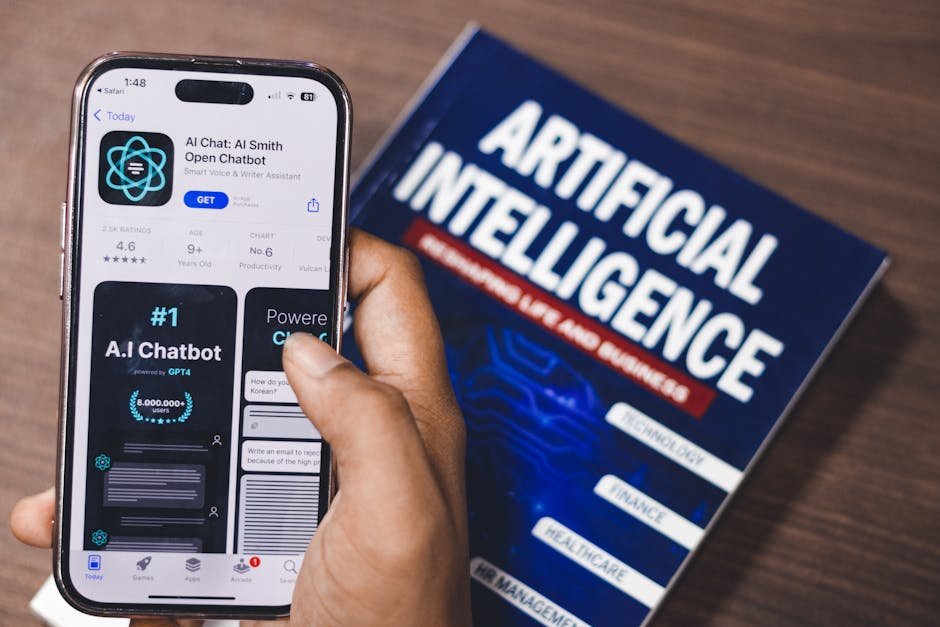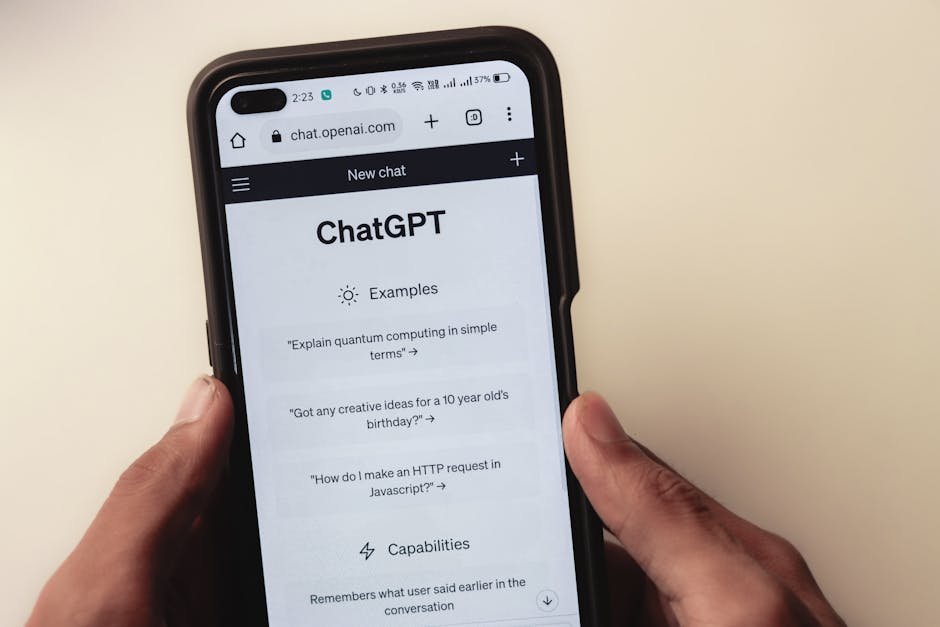
The integration of Artificial Intelligence (AI) into education is no longer a futuristic fantasy but a tangible reality reshaping the learning landscape for both students and educators. From personalized learning experiences to streamlined administrative tasks, AI apps are offering powerful tools to enhance engagement, improve outcomes, and foster a more efficient educational environment. This article delves into a range of AI applications revolutionizing education, exploring their functionalities, benefits, and potential limitations.
AI-Powered Personalized Learning Platforms:
One of the most promising applications of AI in education is personalized learning. These platforms leverage AI algorithms to analyze individual student learning styles, strengths, weaknesses, and preferences. This data is then used to create customized learning paths, providing students with tailored content, exercises, and feedback.
- Key Features: Adaptive learning algorithms, individualized content recommendations, real-time performance tracking, personalized feedback mechanisms, and gamified learning elements.
- Examples:
- Knewton: A platform that adjusts the difficulty level of questions based on student performance, ensuring they are challenged appropriately.
- ALEKS (Assessment and Learning in Knowledge Spaces): Focuses on math and science, identifying knowledge gaps and providing personalized instruction to fill them.
- Dreambox Learning: Specifically designed for mathematics, offering adaptive lessons and engaging visuals for younger learners.
- Benefits: Increased student engagement, improved learning outcomes, reduced frustration, and the ability to learn at one’s own pace.
- Considerations: Data privacy concerns, potential for bias in algorithms, and the need for teacher guidance to supplement AI-driven instruction.
AI-Driven Automated Grading and Feedback:
Grading assignments and providing constructive feedback can be a time-consuming task for educators. AI-powered grading tools can automate this process, freeing up valuable time for teachers to focus on lesson planning, student interaction, and individualized support.
- Key Features: Automated essay scoring, grammar and plagiarism detection, feedback generation, and customizable rubrics.
- Examples:
- Gradescope: Automates grading for handwritten homework, quizzes, and exams, providing detailed analytics on student performance.
- Turnitin: Widely used for plagiarism detection and provides feedback on writing quality and source citations.
- EssayGrader: Uses AI to assess essays based on grammar, structure, and content, offering detailed feedback to students.
- Benefits: Reduced grading workload for educators, faster turnaround time for feedback, consistent and objective grading, and improved student writing skills.
- Considerations: The potential for AI to miss nuances in student writing, the need for human oversight to ensure accuracy and fairness, and the importance of providing students with opportunities to revise their work based on feedback.
AI-Assisted Content Creation and Curriculum Development:
AI can assist educators in creating engaging and effective learning materials, streamlining the curriculum development process. AI tools can generate lesson plans, create quizzes, and even personalize content based on student needs.
- Key Features: Automated lesson plan generation, quiz and assessment creation, content summarization, multimedia integration, and adaptive content delivery.
- Examples:
- CurriculumLoft: Offers AI-powered tools for creating customized learning paths and managing student progress.
- Quizalize: Helps teachers create engaging quizzes and games that can be used to assess student understanding.
- LessonUp: Allows teachers to create interactive lessons with embedded videos, quizzes, and other multimedia elements.
- Benefits: Increased efficiency in curriculum development, access to high-quality learning materials, personalized content for diverse learners, and improved student engagement.
- Considerations: The need for human oversight to ensure the accuracy and relevance of AI-generated content, the importance of aligning content with learning objectives, and the potential for over-reliance on AI to stifle creativity and innovation in teaching.
AI-Powered Virtual Assistants and Chatbots:
Virtual assistants and chatbots can provide students with instant access to information, answer frequently asked questions, and offer personalized support. These AI-powered tools can enhance student engagement and improve access to educational resources.
- Key Features: Natural language processing, 24/7 availability, personalized responses, access to information databases, and integration with learning management systems.
- Examples:
- ThirdEd: Provides students with personalized tutoring and support through a virtual assistant.
- Jill Watson (Georgia Tech): Answers student questions in online forums, providing personalized assistance and guidance.
- AdmitHub: A chatbot that provides prospective students with information about college admissions and financial aid.
- Benefits: Improved student access to information, reduced workload for teachers and administrators, personalized support for individual learners, and increased student engagement.
- Considerations: The potential for inaccurate or misleading information, the need for ongoing maintenance and updates, and the importance of addressing student concerns about privacy and security.
AI-Driven Language Learning Apps:
AI is revolutionizing language learning with personalized lessons, adaptive feedback, and interactive exercises. These apps can help students improve their language skills in a fun and engaging way.
- Key Features: Speech recognition, natural language processing, personalized learning paths, interactive exercises, and cultural immersion activities.
- Examples:
- Duolingo: A popular language learning app that uses gamification and adaptive learning to engage students.
- Babbel: Offers personalized language courses tailored to individual learning goals and interests.
- Rosetta Stone: Employs immersive learning techniques to help students learn new languages naturally.
- Benefits: Improved language proficiency, increased motivation and engagement, personalized learning experiences, and access to a wide range of languages.
- Considerations: The need for human interaction to supplement AI-driven instruction, the importance of practicing real-world conversations, and the potential for over-reliance on technology to hinder the development of critical thinking skills.
AI for Accessibility and Inclusion:
AI can play a crucial role in creating more accessible and inclusive learning environments for students with disabilities. AI-powered tools can provide real-time transcription, text-to-speech functionality, and other assistive technologies.
- Key Features: Real-time transcription, text-to-speech conversion, screen readers, voice recognition, and personalized learning accommodations.
- Examples:
- Otter.ai: Provides real-time transcription services, making lectures and meetings more accessible to students with hearing impairments.
- Read&Write: A suite of assistive technology tools that includes text-to-speech, screen masking, and other features to support students with learning disabilities.
- Google Translate: Can be used to translate text into multiple languages, making content more accessible to students who are learning English as a second language.
- Benefits: Improved access to education for students with disabilities, increased independence and self-confidence, personalized learning accommodations, and a more inclusive learning environment.
- Considerations: The need for ongoing training and support for educators and students, the importance of ensuring that AI tools are compatible with existing assistive technologies, and the potential for AI to reinforce existing biases if not carefully designed and implemented.
AI-Powered Data Analytics for School Improvement:
AI can analyze large datasets to identify trends, predict student performance, and inform decision-making at the school and district level. This data-driven approach can help educators improve student outcomes and allocate resources more effectively.
- Key Features: Predictive analytics, data visualization, student performance tracking, resource allocation optimization, and identification of at-risk students.
- Examples:
- Civitas Learning: Uses data analytics to identify at-risk students and provide personalized interventions to help them succeed.
- BrightBytes: Helps schools and districts track the impact of technology initiatives on student learning.
- NWEA MAP Growth: Provides assessment data that can be used to track student growth and inform instructional decisions.
- Benefits: Improved student outcomes, more effective resource allocation, data-driven decision-making, and early identification of at-risk students.
- Considerations: Data privacy concerns, the potential for bias in algorithms, and the need for qualified data analysts to interpret and act on the data.
The integration of AI into education is a continuous evolution. While challenges remain, the potential benefits for students and educators are undeniable. By embracing these innovative technologies responsibly and thoughtfully, we can create a more personalized, engaging, and effective learning environment for all. The key is to remember that AI should be used as a tool to augment, not replace, the human element in education. Teacher expertise, empathy, and critical thinking remain essential for fostering a well-rounded and meaningful learning experience.