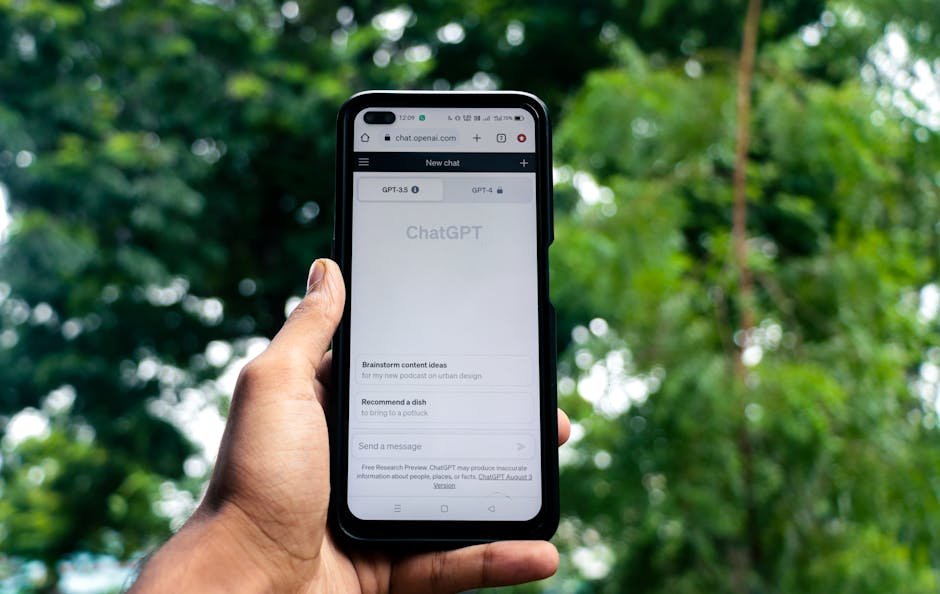
Los primeros asistentes de inteligencia artificial se utilizaban principalmente para responder preguntas o crear textos. Ahora algunas plataformas pueden consultar información, utilizar aplicaciones y ejecutar tareas de varios pasos.
Las herramientas emergentes de IA están dejando de funcionar como simples ventanas de chat. Se integran con documentos, proyectos, reuniones y sistemas empresariales.
Esta evolución puede reducir trabajo repetitivo. Sin embargo, también aumenta el riesgo cuando una herramienta recibe permisos amplios, utiliza datos incompletos o ejecuta acciones sin supervisión.
En esta guía conocerás las categorías más importantes, sus aplicaciones prácticas y un método para probarlas sin perder el control.
Cinco cambios importantes
- Agentes que ejecutan tareas completas.
- Búsquedas dentro de documentos y aplicaciones.
- Resúmenes automáticos de reuniones.
- Flujos que combinan reglas e inteligencia artificial.
- Creación multimodal con texto, imágenes y datos.
Tipos de herramientas emergentes de IA
| Categoría | Qué puede hacer | Ejemplo |
|---|---|---|
| Agentes de IA | Planificar y ejecutar acciones de varios pasos. | Preparar un reporte semanal. |
| Búsqueda empresarial | Consultar documentos y aplicaciones conectadas. | Encontrar acuerdos de proyectos anteriores. |
| Asistentes de reuniones | Registrar, resumir y extraer tareas. | Crear pendientes después de una llamada. |
| Flujos con IA | Clasificar información dentro de una automatización. | Procesar una solicitud y enviarla al equipo correcto. |
| Creación multimodal | Combinar texto, archivos, imágenes y datos. | Construir una presentación a partir de un informe. |
Diferencia entre asistente, automatización y agente
| Tipo | Cómo funciona | Ejemplo |
|---|---|---|
| Asistente | Responde cuando una persona escribe. | Redactar un correo. |
| Automatización | Sigue reglas previamente definidas. | Crear una tarea cuando llega un formulario. |
| Agente | Interpreta un objetivo y decide qué pasos utilizar. | Reunir datos y preparar un reporte. |
Un agente puede tener más flexibilidad que una automatización. Precisamente por eso necesita permisos limitados, instrucciones claras y una ruta para detenerse cuando encuentre un caso desconocido.
Herramientas que están incorporando agentes
| Plataforma | Aplicación destacada | Uso práctico |
|---|---|---|
| Notion | Agentes, búsqueda y notas de reuniones. | Crear reportes desde bases y documentos. |
| ClickUp | Brain y agentes dentro del espacio de trabajo. | Crear tareas, resumir y actualizar proyectos. |
| Asana | AI Teammates y automatización de trabajo. | Apoyar tareas complejas y procesos repetibles. |
| Zapier | Agentes y flujos conectados con aplicaciones. | Ejecutar acciones entre sistemas diferentes. |
| monday.com | Asistencia contextual y flujos con IA. | Analizar, crear y dirigir información. |
Aplicaciones prácticas
Reportes automáticos
Un agente puede consultar tareas, reunir cifras y preparar un borrador. El responsable revisa la información antes de compartirla.
Reuniones y pendientes
Un asistente puede resumir temas, detectar acuerdos y convertirlos en tareas. Cada participante debe confirmar posteriormente su responsabilidad.
Clasificación de solicitudes
Un formulario puede iniciar un flujo que interprete el mensaje, identifique el área correcta y cree una tarea. Los casos poco claros deben llegar a una persona.
Investigación interna
La búsqueda empresarial permite consultar documentos y conversaciones autorizadas. Esto reduce el tiempo empleado en localizar información dispersa.
Aplicación en la gestión de proyectos
Los agentes pueden preparar resúmenes, detectar bloqueos y actualizar información. No obstante, primero debe existir una estructura clara de tareas, responsables y estados.
Compara plataformas para tareas, documentos, reportes y seguimiento antes de habilitar agentes.
Comparar herramientas de IA para proyectos →Cómo probar una herramienta emergente
| Etapa | Acción |
|---|---|
| Selección | Elegir una tarea frecuente y de bajo riesgo. |
| Preparación | Documentar pasos, reglas y excepciones. |
| Permisos | Autorizar solo las aplicaciones necesarias. |
| Prueba | Utilizar datos ficticios o copias controladas. |
| Evaluación | Registrar tiempo, errores y acciones inesperadas. |
Señales que requieren supervisión humana
- Maneja datos confidenciales.
- Modifica pagos, contratos o fechas.
- Envía mensajes externos.
- Toma decisiones sobre clientes o empleados.
- No puede explicar la información utilizada.
- Encuentra un caso fuera del proceso habitual.
Creación de contenido con nuevas funciones
La evolución también afecta la producción creativa. Los asistentes actuales pueden trabajar con texto, archivos, imágenes y datos dentro de una misma conversación. Aun así, el contenido necesita dirección editorial y verificación.
Aprende a investigar, redactar, diseñar y revisar publicaciones sin depender de un resultado automático.
Crear contenido mediante IA paso a paso →Cómo medir la productividad real
| Medición | Qué comparar |
|---|---|
| Tiempo | Duración antes y después. |
| Errores | Cantidad y gravedad de correcciones. |
| Costo | Suscripción, créditos y mantenimiento. |
| Control | Capacidad de revisar y revertir acciones. |
| Adopción | Uso real por parte del equipo. |
Preguntas frecuentes
¿Qué es una herramienta emergente de IA?
Es una plataforma o función que introduce nuevas maneras de crear, investigar, organizar o ejecutar tareas mediante inteligencia artificial.
¿Un agente puede trabajar sin supervisión?
Puede ejecutar tareas autorizadas, pero necesita límites, registros y puntos de aprobación, especialmente cuando modifica información o se comunica con terceros.
¿Necesito saber programación?
No siempre. Existen plataformas con interfaces visuales. Sin embargo, debes comprender el proceso que quieres automatizar y sus excepciones.
Automatiza solamente lo que entiendes
Antes de delegar una tarea, realízala manualmente, documenta sus pasos y define qué debe ocurrir cuando falte información. La herramienta más valiosa no es la más llamativa, sino la que mejora un proceso conocido y medible.