Una pequeña empresa puede perder varias horas cada semana respondiendo preguntas similares, preparando publicaciones, actualizando reportes y buscando información dispersa.
Las herramientas de IA para pequeñas empresas permiten reducir parte de ese trabajo sin construir un sistema complejo. Sin embargo, la utilidad depende de elegir una tarea concreta y medir si realmente mejora el proceso.
Comprar una suscripción solo porque una plataforma está de moda suele generar más gastos que beneficios. Primero debes identificar dónde se concentra el trabajo repetitivo y qué información necesita la herramienta.
Esta guía muestra opciones para administración, contenido, proyectos y automatización. También incluye un plan de implementación para comenzar con bajo riesgo.
Antes de elegir una herramienta
- Identifica la tarea que más tiempo consume.
- Revisa las funciones incluidas en tus planes actuales.
- Evita compartir información sensible durante las pruebas.
- Mide tiempo, costo, errores y calidad.
¿Dónde puede ayudar la IA en una pequeña empresa?
| Área | Tarea repetitiva | Aplicación de IA |
|---|---|---|
| Administración | Redactar correos y resumir documentos. | Preparar borradores y listas de pendientes. |
| Marketing | Crear publicaciones y campañas. | Generar ideas, textos e imágenes. |
| Ventas | Organizar prospectos y seguimientos. | Clasificar consultas y redactar respuestas. |
| Atención | Responder preguntas frecuentes. | Preparar respuestas basadas en información aprobada. |
| Operaciones | Copiar datos entre aplicaciones. | Automatizar registros, avisos y tareas. |
Cinco herramientas con usos diferentes
| Herramienta | Uso recomendado | Ejemplo práctico |
|---|---|---|
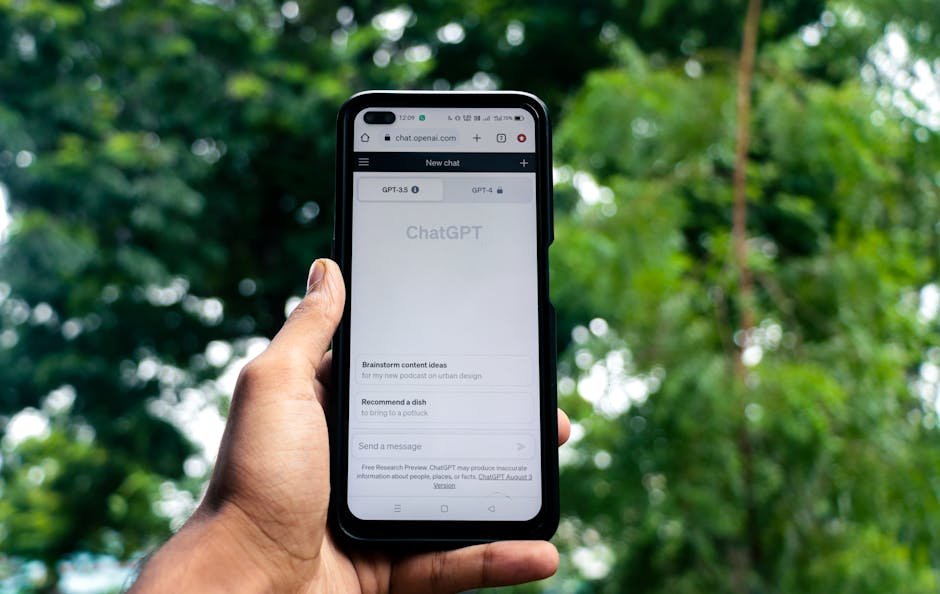
| ChatGPT | Redacción, análisis y organización. | Preparar respuestas frecuentes para clientes. |
| Gemini para Workspace | Correo, documentos, hojas y reuniones. | Resumir un documento y convertirlo en tareas. |
| Microsoft 365 Copilot | Trabajo dentro de Word, Excel, PowerPoint y Outlook. | Convertir información laboral en un reporte. |
| Canva AI | Diseño y contenido promocional. | Crear una campaña visual para redes sociales. |
| Zapier | Conectar aplicaciones y automatizar procesos. | Registrar formularios y enviar una notificación. |
Google y Microsoft integran inteligencia artificial dentro de sus aplicaciones de trabajo. Zapier permite conectar herramientas y construir flujos automáticos. Canva facilita la producción visual, mientras que ChatGPT puede apoyar tareas de redacción, análisis y organización.
Cómo elegir según el problema
Antes de contratar una plataforma adicional, revisa si el servicio de correo, documentos o gestión que ya pagas contiene una función suficiente para resolver la tarea.
Compara plataformas que utilizan IA para resumir avances, crear tareas y detectar proyectos bloqueados.
Descubrir herramientas de IA para proyectos →Plan de implementación en 30 días
| Periodo | Actividad | Resultado esperado |
|---|---|---|
| Días 1 al 7 | Registrar las tareas repetitivas. | Elegir un problema prioritario. |
| Días 8 al 14 | Probar una herramienta con datos controlados. | Conocer sus límites y errores. |
| Días 15 al 21 | Comparar tiempo y calidad. | Determinar si existe una mejora real. |
| Días 22 al 30 | Documentar y capacitar. | Crear un proceso que otras personas puedan repetir. |
Caso práctico: responder consultas de clientes
Supongamos que un negocio recibe preguntas sobre horarios, servicios, métodos de pago y disponibilidad. Primero debe reunir las respuestas aprobadas en un solo documento.
Después, la IA puede clasificar las consultas y preparar una respuesta. Las preguntas sobre precios, condiciones o disponibilidad deben utilizar información actualizada. Cuando falte un dato, el sistema debe transferir el caso a una persona.
Finalmente, el negocio registra los errores y actualiza la base de conocimiento. Este proceso es más seguro que permitir respuestas automáticas sin límites.
Cómo medir si una herramienta funciona
| Indicador | Pregunta de control |
|---|---|
| Tiempo | ¿Cuántos minutos tarda ahora la tarea? |
| Calidad | ¿Cuántas correcciones necesita el resultado? |
| Costo | ¿El ahorro justifica la suscripción? |
| Velocidad | ¿El cliente recibe una respuesta más rápida? |
| Adopción | ¿El equipo utiliza realmente la herramienta? |
Contenido para atraer y mantener clientes
Además de automatizar tareas administrativas, una pequeña empresa puede utilizar inteligencia artificial para preparar artículos, promociones y publicaciones. Sin embargo, necesita un proceso que mantenga la identidad del negocio.
Aprende a combinar asistentes de redacción y plataformas visuales sin publicar textos genéricos.
Crear contenido con herramientas de IA →Información que debes proteger
- Contraseñas y códigos de acceso.
- Datos bancarios o financieros.
- Información personal de clientes.
- Contratos y documentos confidenciales.
- Bases completas de correos o teléfonos.
- Información laboral sin autorización.
Preguntas frecuentes
¿Una pequeña empresa necesita varias herramientas?
No. Conviene comenzar con una plataforma general y añadir otra únicamente cuando exista una necesidad concreta que la primera no resuelva.
¿La IA puede atender clientes sin supervisión?
Puede responder consultas sencillas basadas en información aprobada. Los casos delicados, desconocidos o relacionados con pagos deben llegar a una persona.
¿Cómo sé si vale la pena pagar?
Compara el tiempo ahorrado, las correcciones necesarias, el costo mensual y el impacto sobre clientes o ventas.
Empieza por el problema, no por la plataforma
La herramienta más útil no es la que anuncia más funciones. Es la que resuelve una tarea frecuente, utiliza información confiable y puede integrarse sin complicar el trabajo del equipo.